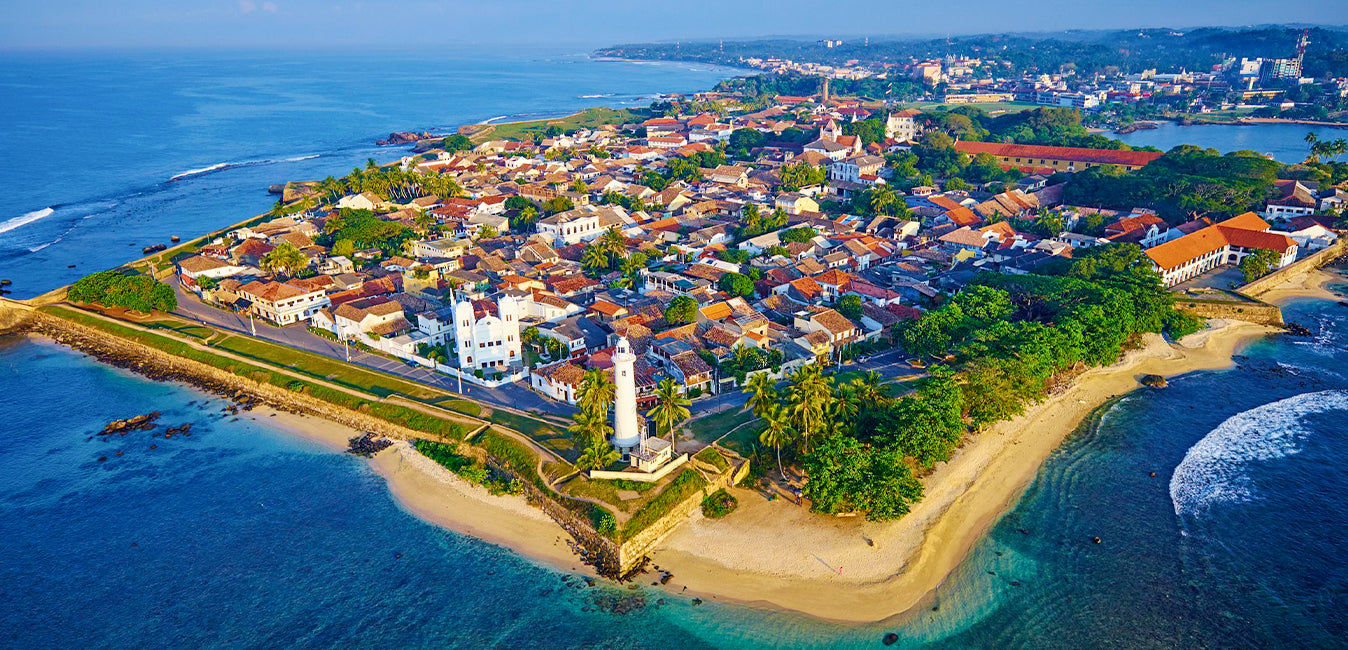
Galle, eine bezaubernde Küstenstadt in Sri Lanka, blickt auf eine reiche Geschichte und lebendige Kultur zurück. Das ikonische Holländische Fort, ein UNESCO-Weltkulturerbe, zeugt vom kolonialen Einfluss. Entdecken Sie unberührte Strände, tauchen Sie ein in kulturelle Feste und genießen Sie die lokale Küche inmitten des altweltlichen Charmes von Galle.
St. Joseph’s Chapel, located within Galle Fort, is a small yet significant place of worship that reflects the deep-rooted Catholic heritage within this historic area. The chapel is believed to have been established during the Dutch colonial period when Catholicism was introduced and spread by missionaries. While Galle Fort is primarily known for its Dutch Reformed Church, St. Joseph’s Chapel stands as a symbol of the enduring Catholic faith in the region.
Architecturally, St. Joseph’s Chapel is relatively modest compared to some of the grander churches in Sri Lanka, such as St. Mary’s Cathedral. However, its simple design and serene atmosphere offer a peaceful retreat for both worshippers and visitors exploring the fort. The chapel is a single-story structure with basic features such as wooden pews, a small altar, and simple stained-glass windows that lend it a quaint charm. The structure’s understated beauty reflects the humility and devotion of the local Catholic community that it serves.
One of the most striking aspects of St. Joseph’s Chapel is its proximity to other religious landmarks within Galle Fort, such as the Dutch Reformed Church and several Buddhist temples. This close proximity of different places of worship showcases the religious diversity that exists in Galle, making it a symbol of harmony and coexistence in the fort.
For visitors exploring the fort’s rich colonial history, St. Joseph’s Chapel offers a glimpse into the Catholic heritage of the area. Whether attending a quiet service or simply reflecting in the peaceful ambiance, tourists can appreciate the chapel’s role in maintaining the spiritual fabric of the Galle Fort community.
In summary, St. Joseph’s Chapel, though small and modest, is an important religious and historical site within Galle Fort, symbolizing the presence of Catholicism in this culturally diverse region.
Über den Distrikt Galle Galle ist eine Stadt an der Südwestspitze Sri Lankas, 119 km von Colombo entfernt. Galle ist das beste Beispiel einer befestigten Stadt, die von Europäern in Süd- und Südostasien erbaut wurde und die Wechselwirkung zwischen europäischen Architekturstilen und südasiatischen Traditionen veranschaulicht. Das Fort von Galle ist Weltkulturerbe und die größte erhaltene Festung in Asien, die von europäischen Besatzern errichtet wurde. Galle ist für sri-lankische Verhältnisse eine recht große Stadt mit 91.000 Einwohnern, von denen die Mehrheit der singhalesischen Ethnie angehört. Es gibt auch eine große Minderheit der Sri-Lanka-Moor, insbesondere im Festungsbereich, die von arabischen Händlern abstammt, die sich im alten Hafen von Galle niederließen. Über die Südprovinz Die Südprovinz Sri Lankas ist ein kleines geografisches Gebiet, das aus den Distrikten Galle, Matara und Hambantota besteht. Subsistenzlandwirtschaft und Fischerei sind die Haupteinnahmequellen für die große Mehrheit der Bevölkerung dieser Region. Zu den bedeutenden Sehenswürdigkeiten der Südprovinz zählen die Wildtierreservate der Nationalparks Yala und Udawalawe, die heilige Stadt Kataragama sowie die antiken Städte Tissamaharama, Kirinda und Galle. (Obwohl Galle eine alte Stadt ist, ist fast nichts aus der Zeit vor der portugiesischen Invasion erhalten geblieben.) Während der portugiesischen Herrschaft lebten zwei berühmte singhalesische Dichter, Andare aus Dickwella und Gajaman Nona aus Denipitiya im Distrikt Matara, die Gedichte über den einfachen Mann verfassten.