2004 Indian Ocean tsunami Peraliya rail disaster

2004 Indian Ocean tsunami Peraliya rail disaster 2004 Indian Ocean tsunami Peraliya rail disaster 2004 Indian Ocean tsunami Peraliya rail disaster

The 2004 Indian Ocean tsunami was one of the most devastating natural disasters in modern history, and Sri Lanka was among the hardest-hit countries. Triggered by a massive undersea earthquake off the coast of Sumatra, the tsunami struck Sri Lanka's coastal regions on 26 December 2004, causing widespread destruction, loss of life, and long-lasting social and economic impacts. The disaster reshaped coastal communities and highlighted the importance of disaster preparedness and early warning systems.

One of the most tragic events linked to the tsunami was the Peraliya rail disaster, which occurred near the town of Hikkaduwa. A passenger train, later known as the "Queen of the Sea," was overwhelmed by massive waves while stopped near the coastline. Thousands of passengers lost their lives, making it the deadliest train disaster in recorded history. This event stands as a powerful reminder of the immense force of nature and the vulnerability of coastal infrastructure.

Today, the site of the Peraliya rail disaster is a place of remembrance and reflection. Visitors come to pay tribute to the victims and to learn about the impact of the tsunami on Sri Lanka's people and heritage. Memorials and preserved sections of the railway track help convey the scale of the tragedy while honoring the resilience and strength shown by affected communities in rebuilding their lives.

The best time to visit the Peraliya area is during the dry season from December to April, when weather and travel conditions are favorable. Easily accessible from Galle and other southern coastal towns, the site offers a meaningful historical experience that combines education, remembrance, and an understanding of Sri Lanka's journey toward recovery and resilience.

2004 Indian Ocean tsunami Peraliya rail disaster 2004 Indian Ocean tsunami Peraliya rail disaster 2004 Indian Ocean tsunami Peraliya rail disaster

Über den Distrikt Galle
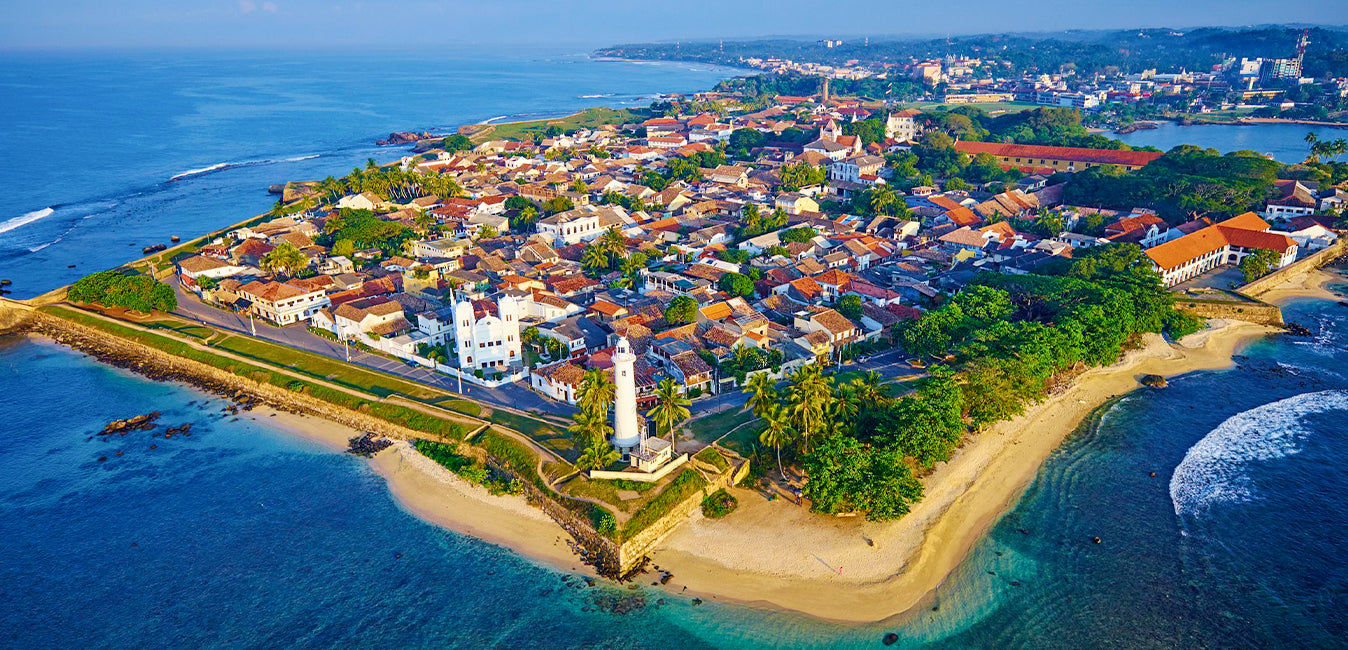
Galle ist eine Stadt an der Südwestspitze Sri Lankas, 119 km von Colombo entfernt. Galle ist das beste Beispiel einer befestigten Stadt, die von Europäern in Süd- und Südostasien erbaut wurde und die Wechselwirkung zwischen europäischen Architekturstilen und südasiatischen Traditionen veranschaulicht. Das Fort von Galle ist Weltkulturerbe und die größte erhaltene Festung in Asien, die von europäischen Besatzern errichtet wurde. Galle ist für sri-lankische Verhältnisse eine recht große Stadt mit 91.000 Einwohnern, von denen die Mehrheit der singhalesischen Ethnie angehört. Es gibt auch eine große Minderheit der Sri-Lanka-Moor, insbesondere im Festungsbereich, die von arabischen Händlern abstammt, die sich im alten Hafen von Galle niederließen. Über die Südprovinz Die Südprovinz Sri Lankas ist ein kleines geografisches Gebiet, das aus den Distrikten Galle, Matara und Hambantota besteht. Subsistenzlandwirtschaft und Fischerei sind die Haupteinnahmequellen für die große Mehrheit der Bevölkerung dieser Region. Zu den bedeutenden Sehenswürdigkeiten der Südprovinz zählen die Wildtierreservate der Nationalparks Yala und Udawalawe, die heilige Stadt Kataragama sowie die antiken Städte Tissamaharama, Kirinda und Galle. (Obwohl Galle eine alte Stadt ist, ist fast nichts aus der Zeit vor der portugiesischen Invasion erhalten geblieben.) Während der portugiesischen Herrschaft lebten zwei berühmte singhalesische Dichter, Andare aus Dickwella und Gajaman Nona aus Denipitiya im Distrikt Matara, die Gedichte über den einfachen Mann verfassten.